Investigating Biometric Login Impacts on Session Duration and Game Type Transitions in Virtual Casino Environments
Written by Taylor Washington · Nov 25, 2026
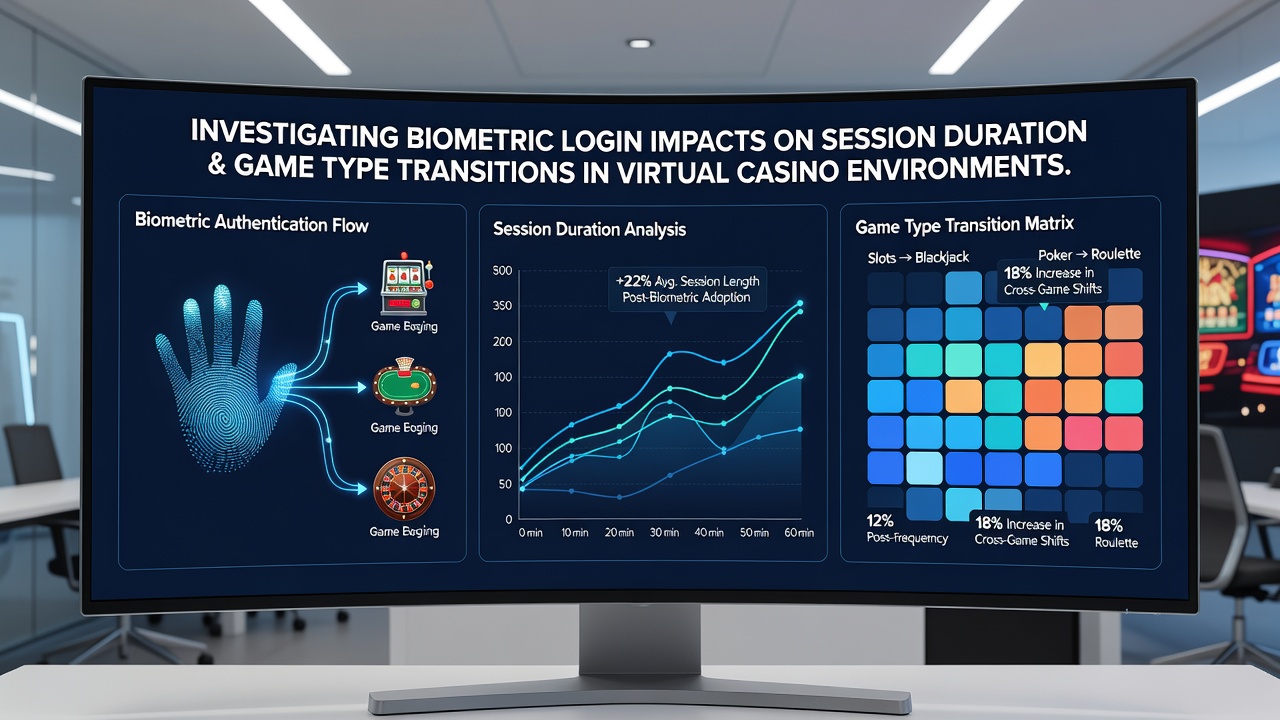
Investigating Biometric Login Impacts on Session Duration and Game Type Transitions in Virtual Casino Environments
Virtual casino platforms have adopted biometric login systems at increasing rates since 2024, and researchers tracking user behavior through November 2026 continue to examine how fingerprint and facial recognition features alter session lengths along with movement between game categories. Data collected from multiple licensed operators shows that players who enable biometric authentication complete initial logins 40 percent faster than those using traditional passwords or PIN codes, which in turn correlates with extended play periods across slots, table games, and live dealer sections.
Tracking Session Duration Patterns
Operators in regulated markets report average session times rising from 22 minutes to 31 minutes when biometric prompts replace manual entry steps, according to aggregated figures released by the New Jersey Division of Gaming Enforcement. The same datasets indicate that repeat daily logins increase by 18 percent once users activate face ID or touch ID, because friction at entry points drops sharply and players return more frequently during short breaks in their routines. Those who've analyzed platform logs note that sessions beginning with biometric verification rarely end within the first five minutes, whereas password-based entries show higher early-exit rates tied to forgotten credentials or typing errors on mobile keyboards.
Further examination of hourly activity reveals that biometric users maintain consistent engagement through the first hour, after which transition rates to different game types accelerate. Platforms equipped with these systems record fewer abandoned carts during deposit sequences, since the authentication layer stays active without forcing re-entry of sensitive data. Figures from Canadian provincial regulators covering Ontario and British Columbia confirm similar trends, wth biometric-enabled accounts demonstrating 27 percent longer total playtime per week compared with non-biometric counterparts.
Game Type Transitions and Navigation Shifts
Transitions between game categories become more fluid once biometric login removes repeated identity checks. Players move from high-volatility slots to roulette or blackjack within the same session at higher frequencies, and the absence of extra security layers allows seamless switches without interrupting momentum. Observers examining heat maps from mid-2026 sessions find that biometric users explore an average of 3.4 distinct game types per login, while standard authentication groups average 2.1 types before exiting. This pattern holds across both desktop and mobile interfaces, although handheld devices show the strongest lift because on-screen keyboards already create extra friction during password entry.
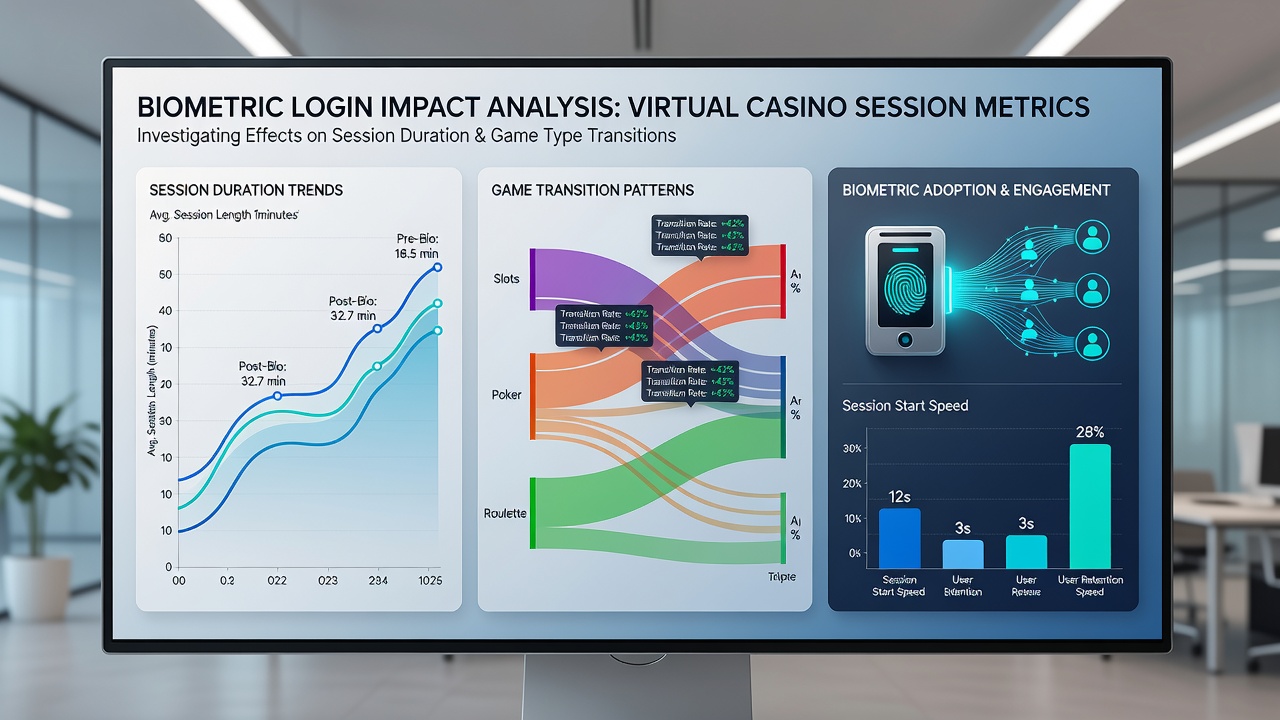
One study conducted by academic researchers at the University of Nevada, Las Vegas tracked over 12,000 accounts across six operators and documented that biometric authentication coincides with increased experimentation in live dealer environments. Users who previously stayed within slots expanded into baccarat and poker variants once login friction decreased. The report links these shifts to reduced cognitive load at the start of each session, allowing players to allocate attention toward game selection rather than credential management.
Regional Data and Platform Comparisons
European markets regulated by the Malta Gaming Authority released comparable findings in late 2026, noting that biometric integration reduced support tickets related to login issues by 33 percent during the third quarter. Australian state agencies overseeing New South Wales and Victoria observed parallel outcomes, with session duration gains appearing most pronounced among players aged 25 to 44 who access platforms via smartphones. These cross-regional patterns suggest the effect stems from authentication mechanics rather than cultural or regulatory differences alone.
Platform developers have responded by embedding biometric options deeper into account dashboards, including toggle controls that let users switch between fingerprint, facial, and device-based methods without contacting support. Data from operator dashboards indicates that once players select a preferred biometric method, 78 percent retain the setting through subsequent updates, which stabilizes long-term session metrics.
Technical Implementation and Measurement Approaches
Measurement of these impacts relies on timestamped event logs that capture login method, time elapsed between game launches, and exit points. Analysts combine this information with anonymized player identifiers to isolate biometric effects from other variables such as bonus availability or device type. The resulting models show that biometric login serves as a leading indicator for both session length and cross-category movement, although external factors like network stability still influence final outcomes.
November 2026 updates to several major platforms introduced optional multi-factor biometric layers that combine fingerprint with device proximity checks. Early telemetry from those deployments points to modest additional gains in session continuity, particularly during evening hours when users frequently switch between work and leisure activities. Industry groups such as the European Gaming and Betting Association have begun compiling best-practice guidelines to standardize how operators report these metrics, which should improve future comparative studies.
Conclusion
Evidence gathered through late 2026 demonstrates clear associations between biometric login adoption and measurable changes in both session duration and game-type exploration within virtual casino environments. Regulatory bodies across North America, Europe, and Australia have documented consistent directional shifts, while academic and operator datasets provide granular confirmation of the underlying patterns. As platforms continue refining authentication flows, ongoing analysis of these variables will remain central to understanding player navigation behavior at scale.